FROM OUR TABLE TO YOURS

Keeping Your Bread Fresh

This is how fast bread disappears at our dinner table. But if yours lasts a little longer, these simple tips can help you store it, freeze it, and enjoy it at its best.

STORING • FREEZING • REHEATING ↓
KEEPING IT GOOD

Three simple habits go a long way.

Fresh bread doesn't need complicated care. The biggest decisions are simply how soon you plan to eat it and whether you want to protect softness or preserve a crisp crust.

Keep it at room temperature

For bread you're enjoying soon, the counter is usually the right place. A bread box, clean towel, or appropriate bread bag helps protect it while still letting you enjoy the texture you bought it for.

Worth knowing: routine refrigeration can make bread go stale faster.
Freeze what you won't finish

Slice or portion the bread first, then seal it well in a freezer-safe bag or container. Parchment between portions makes it easy to remove only what you need.

Important: bread should be completely cool before it is frozen.

Bring it back when you're ready

Individual slices can go straight from the freezer into a toaster. Larger pieces and focaccia do well warmed in a 350°F oven or toaster oven until heated through.

For crusty bread: a little heat can restore both the crumb and the crust.
BREAD BY BREAD

The useful details are a little different.

The basics above work for everything we bake. These are the small differences worth remembering for each bread.

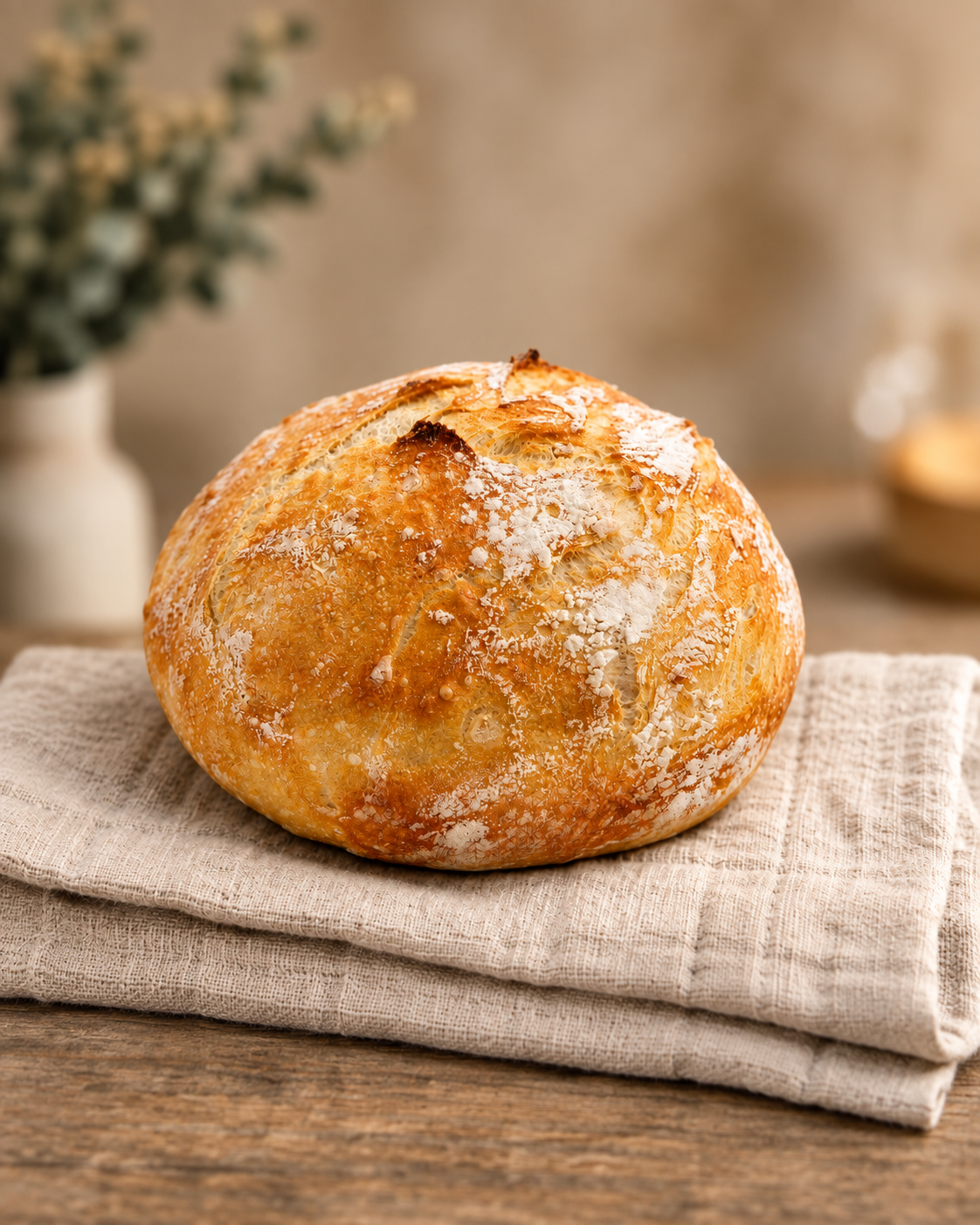
Big Country Sourdough from Above Good Bakes
BIG COUNTRY SOURDOUGH

Protect the inside.

Once cut, keep the exposed side protected. For a large boule, you can even cut from the center, take the slices you need, and press the two cut halves back together before storing.

Freezing it? Slice it for easy toast, or divide it into larger portions if that's how you normally serve it.
Refreshing a larger piece? Lightly mist the crust with water and warm it uncovered in a 350°F oven until the inside is warm and the crust has come back to life.
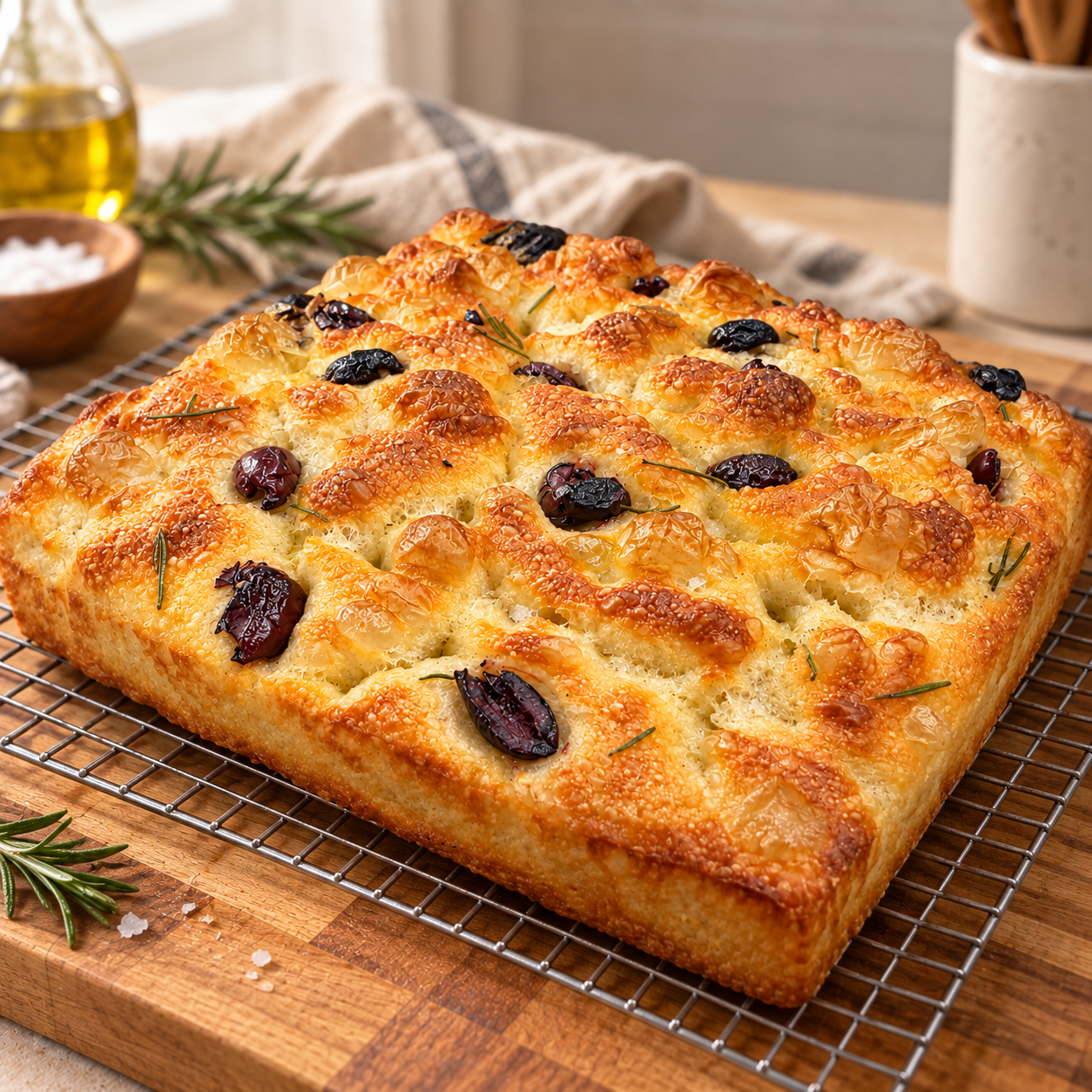
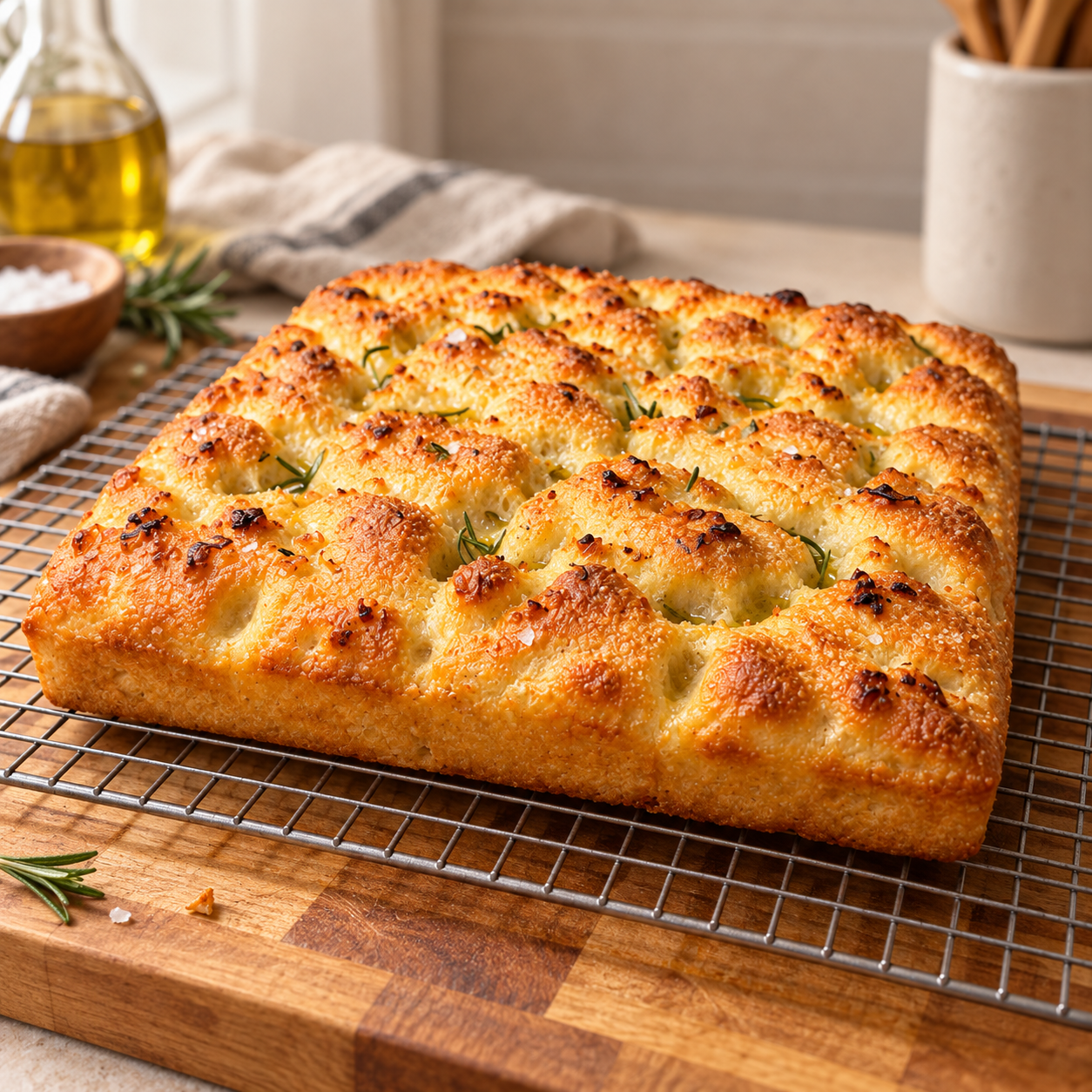
Golden Focaccia with Rosemary and Kalamata olives Golden Focaccia with Rosemary and Garlic
GOLDEN FOCACCIA

Portion first.

Focaccia is at its best fresh, so if you're not planning to finish it soon, freezing individual portions is usually more useful than trying to stretch its time on the counter.

From frozen Put the portion straight into a 350°F oven or toaster oven and warm it until the center is hot and the edges are crisp again.
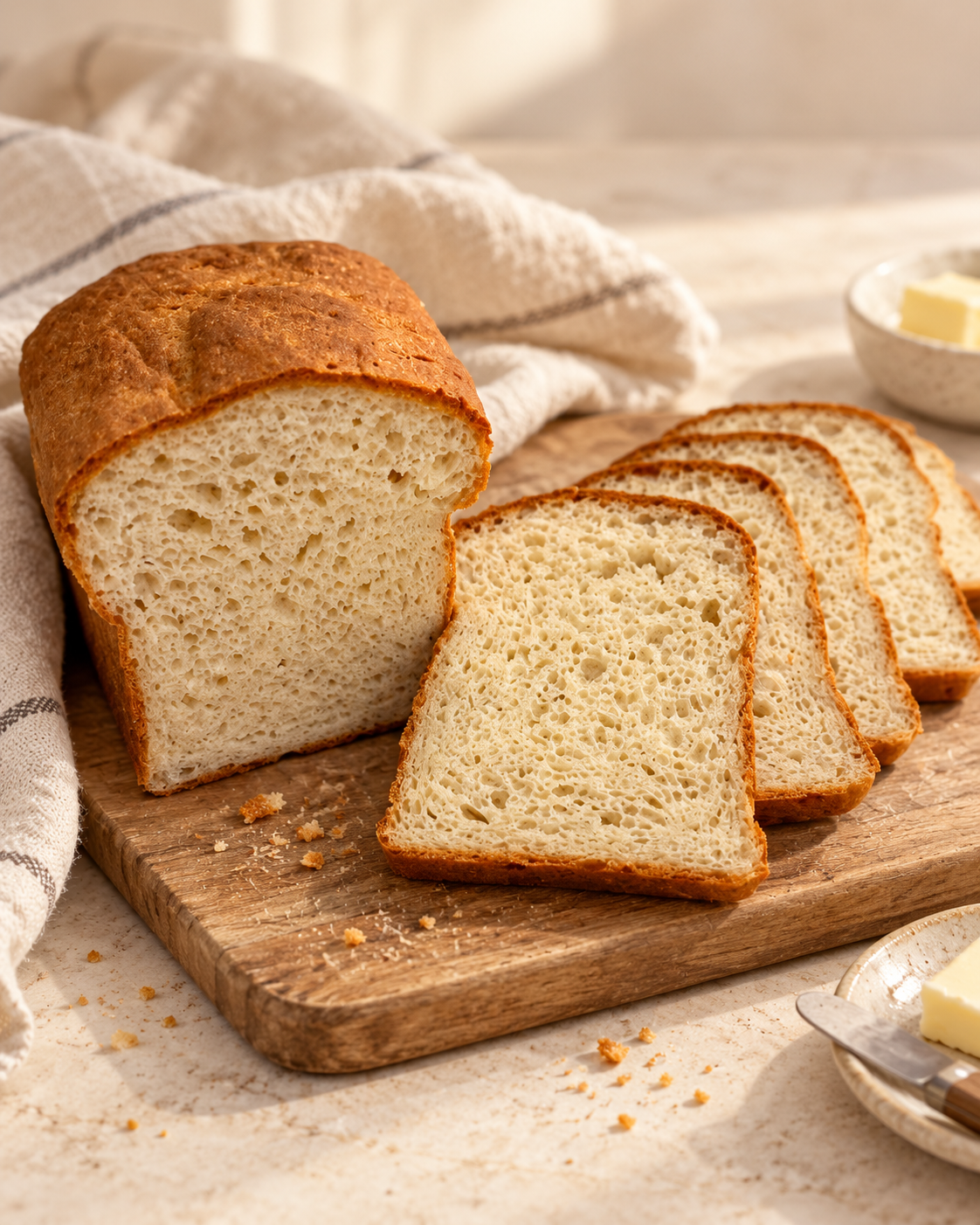
The Daily Loaf gluten-free and dairy-free sandwich bread from Above Good Bakes
GF + DF
THE DAILY LOAF

Freeze it sliced.

Pre-slicing turns the freezer into a very convenient bread drawer. Take out exactly what you need for breakfast, toast, or a sandwich.

Toast? Use the slices straight from frozen.
Sandwich? Let a few slices soften at room temperature. Gluten-free bread can lose quality sooner in the freezer, so enjoying it within about a month is a good target.
A FEW THINGS PEOPLE DON'T ALWAYS KNOW

Small tricks. Better bread later.

Airtight keeps moisture in

That's helpful for softness, but it also softens a crisp artisan crust. If the crust matters, simply refresh the bread in the oven before serving.

Hot and humid kitchen?

If bread is molding unusually quickly, refrigeration can help slow mold even though it speeds staling. Toasting or reheating helps restore the texture.

See mold? Let the loaf go.

Bread is porous, so visible mold may not show the whole picture. Don't cut off one spot and keep eating the rest of the loaf.